


 By Guest - August 04, 2026
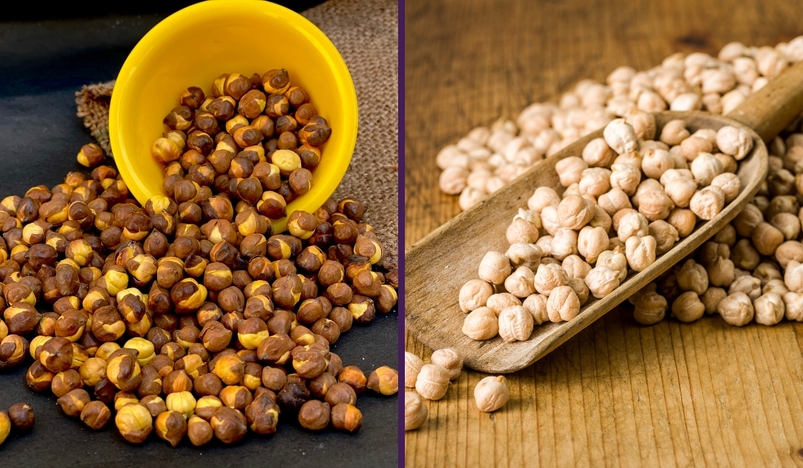
Chickpeas are among the healthiest legumes you can include in your diet, offering an excellent combination of protein, fibre, vitamins and minerals. But when it comes to black chickpeas (kala chana) and white chickpeas (kabuli chana), many people wonder which one is the healthier choice.
The answer depends on your health goals. Here's how the two compare.
Nutrition at a Glance
Both black and white chickpeas are rich in:
• Plant-based protein
• Dietary fibre
• Iron
• Folate
• Magnesium
• Potassium
• B vitamins
However, black chickpeas generally contain slightly more fibre, iron and antioxidants, while white chickpeas have a milder flavour and softer texture.
Which Is Better for Weight Loss?
Winner: Black chickpeas
Black chickpeas are typically higher in fibre, helping you stay full for longer and reducing the urge to snack between meals.
Their slower digestion may also support appetite control, making them a good option for people trying to lose or maintain weight.
Which Has More Protein?
Result: Nearly a tie
Both varieties provide around 7–9 grams of protein per 100 grams when cooked, making them excellent plant-based protein sources.
Protein supports:
• Muscle maintenance
• Tissue repair
• Satiety
• Healthy metabolism
For most people, the difference in protein content between the two is minimal.
Which Is Better for Blood Sugar?
Winner: Black chickpeas
Because of their higher fibre content and generally lower glycaemic impact, black chickpeas may help slow the absorption of carbohydrates and reduce spikes in blood sugar levels.
People with diabetes should still monitor portion sizes and consult their healthcare provider about their individual dietary needs.
Which Is Richer in Iron?
Winner: Black chickpeas
Black chickpeas usually contain more iron than white chickpeas, making them a valuable food for people looking to support healthy red blood cell production.
Pairing chickpeas with vitamin C-rich foods such as tomatoes, bell peppers or lemon juice can improve iron absorption.
Which Is Better for Digestion?
Winner: Black chickpeas
The extra fibre in black chickpeas supports:
• Healthy digestion
• Regular bowel movements
• A balanced gut microbiome
If you're new to high-fibre foods, increase your intake gradually and drink plenty of water.
Which Is Better for Heart Health?
Tie
Both black and white chickpeas contain:
• Soluble fibre
• Magnesium
• Potassium
These nutrients may help support healthy cholesterol levels and blood pressure as part of an overall heart-healthy diet.
Which Has More Antioxidants?
Winner: Black chickpeas
Their darker seed coat contains higher levels of natural antioxidants, which help protect cells from oxidative stress and inflammation.
Which Is More Versatile?
Winner: White chickpeas
White chickpeas have a creamier texture and are widely used in dishes such as:
• Hummus
• Salads
• Soups
• Curries
• Roasted snacks
Black chickpeas have a firmer texture and a nuttier flavour, making them ideal for traditional curries, stir-fries and protein-rich salads.
Which Should You Choose?
Choose black chickpeas if your priority is:
• Weight loss
• Blood sugar management
• Higher fibre intake
• More antioxidants
• Increased iron
Choose white chickpeas if you prefer:
• Creamier texture
• Greater versatility in recipes
• Traditional dishes such as hummus and Mediterranean meals
The Bottom Line
Both black and white chickpeas are highly nutritious and deserve a place in a balanced diet. Black chickpeas have a slight nutritional edge due to their higher fibre, iron and antioxidant content, making them particularly beneficial for weight management, digestive health and blood sugar control. However, white chickpeas remain an excellent source of plant protein and essential nutrients, making either variety a healthy choice depending on your taste and dietary needs.


.png)
.png)
.jpg)

_20-08-2026_05-08.jpg)
_27-51-2026_11-51.png)
_27-43-2026_12-43.png)


.jpg)
.jpg)




.jpg)


.jpg)
.png)
.jpg)













Leave a comment