

Two Rolex models can share the same 36 mm case and still sit thousands of dollars apart. That gap trips up many first-time buyers. It isn’t random. The model line, the case metal, the condition and the wait to get the piece explain most of it.
Comparing Rolex watches in a large online catalog, such as https://dream-watch.ae/en/swiss-watches/rolex, shows that pattern quickly. Line up one model in several metals and conditions, and see which change moves the price most.
What shapes a Rolex watch price
A Rolex watch price is built in layers. The model line sets the base, the case metal adds or subtracts a lot, and extras like a gem-set bezel or a swapped dial come next. Condition and availability then push the final figure up or down.
When two tags look oddly far apart, ask which layer explains the gap. Often it’s a single layer, and it’s rarely the case size.
Model lines from Oyster Perpetual to Day-Date
Oyster Perpetual is the usual starting point. It has a plain three-hand layout with no date, typically in steel, and it sits at the lower end of the range. Datejust is the volume line, sold in sizes such as 31 mm and 36 mm, with dials from silver tone to mother-of-pearl, champagne and diamond-set.
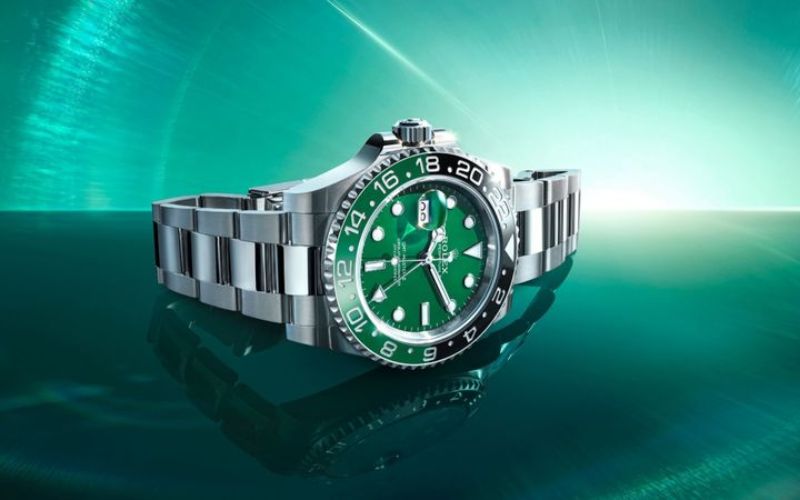
Day-Date sits near the top of that ladder. Rolex has traditionally made it only in precious metal, so the price starts high before any options. Sports lines like the Submariner (diving), GMT-Master II (second time zone) and Daytona (chronograph) follow their own pricing logic.
Steel, gold, and platinum cases
Metal is the biggest single jump on most tags. Stainless steel, used for many Oyster Perpetual, Submariner and Datejust watches, is the most affordable option. Yellow, white and rose gold cost far more, and two-tone steel-and-gold sits in between.
Platinum is the top tier, offered on only a few watches. In any Rolex watches price comparison across metals, the same watch in gold can cost several times its steel twin. Check the bracelet too, because a solid gold band adds far more than a leather or rubber strap.
New, like new, and pre-owned condition
Condition labels aren’t standardized, so one word can mean different things at different sellers. Ask what each label covers before you compare numbers.
Here’s how the three labels tend to break down:
-
New means unworn, with the box, papers and warranty card in place, and it tends to command the highest price in its line.
-
Like new describes a piece worn lightly, if at all. Confirm whether the case has been polished and whether the original papers come along.
-
Pre-owned covers everything else, so the price should reflect case wear, bracelet stretch, service history and any missing accessories.
Custom work adds another variable. Stones set into the bezel or a changed dial can raise the asking price, yet they move the watch away from factory spec and narrow the pool of future buyers.
Availability and why waiting lists affect cost
Demand for steel sports Rolex watches often exceeds what authorized dealers receive, so waiting lists form. Buyers who don’t want to wait turn to the secondary market, where prices can land above the original retail figure.
That’s why a watch ready to ship can cost more than the identical watch you’d have to order and wait for. In part, you’re paying to skip the queue.
Before committing to any Rolex watch, write down the reference number and compare that exact reference across several sellers. Ask about papers and condition, and decide in advance how much a wait is worth to you.