


 By neha - June 14, 2026
What Role Did Paper Production Play?
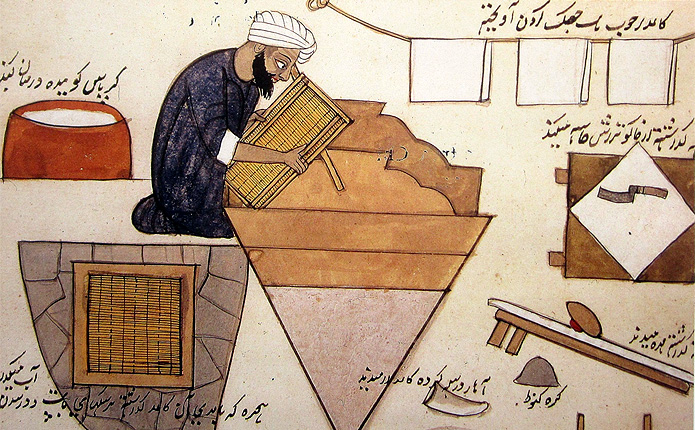
Paper changed everything. Before paper, scribes wrote on parchment — animal skin. It was expensive and slow to produce.
When paper production spread to Morocco, the pace of manuscript copying accelerated rapidly. The city of Fez alone had up to 104 paper mills, concentrated especially in the Bab Al-Hamra district. This figure comes from historian Muhammad Al-Mununi in his work on the history of Moroccan bookmaking.
Writers preferred paper made in Ceuta over Andalusian paper from the city of Xativa. They considered it higher quality for manuscripts.
More paper meant more books. More books meant more libraries.
Which Dynasties Built the Strongest Library Traditions?
Morocco's library culture grew stronger with each dynasty. Three stand out for their contributions.
The Almoravids
The Almoravids revived intellectual life in the late 11th and 12th centuries CE. Marrakesh became a leading center of learning. Scholars arrived from across the Islamic world. Kings imported rare manuscripts from Andalusia. Maliki scholars gained significant influence.
The Almohads
The Almohads pushed paper production further in the 12th century CE. They expanded manuscript copying across provinces.
Caliphs appointed elite scholars to oversee their book treasuries. The position carried enormous prestige.
The Marinids, Saadians, and Alaouites
The Marinids, Saadians, and Alaouites continued building on that heritage. Each dynasty added new manuscripts, new institutions, and new libraries.
By the second half of the 19th century, Morocco began shifting from manuscript culture toward print culture.

_20-08-2026_05-08.jpg)
_27-51-2026_11-51.png)
_27-43-2026_12-43.png)


.jpg)
.jpg)




.jpg)


.jpg)
.png)
.jpg)













Leave a comment