 By Hannah Grace - February 19, 2026

Zakat in Qatar
Ramadan is not only a month of fasting but also a season of compassion and generosity. At the heart of this spirit lies Zakat, an act of giving that strengthens communities and uplifts those in need. While deeply rooted in Islamic faith, its values of charity and social responsibility resonate universally.
What is Zakat?
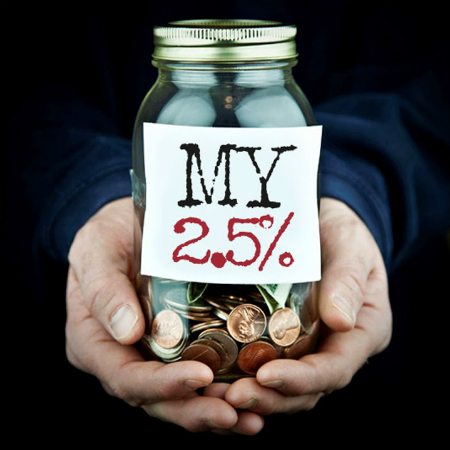
Zakat is recognized as the third pillar of Islam, making it a fundamental obligation for every Muslim. The word Zakat means “purification” and “growth,” reflecting the belief that wealth becomes purified when shared with others. It refers to the charitable act of giving a portion of one’s wealth to those in need, ensuring that resources are distributed fairly and compassionately. In Qatar, as in Muslim communities worldwide, Zakat is a deeply respected tradition that embodies both spiritual devotion and social responsibility.
Types of Zakat:
This is the annual charitable contribution based on an individual’s wealth and assets. It applies to cash, gold and silver, stocks, merchandise intended for resale, shares, and even livestock. Muslims give 2.5% of their surplus wealth once a lunar year has passed, ensuring that wealth is shared fairly within the community.
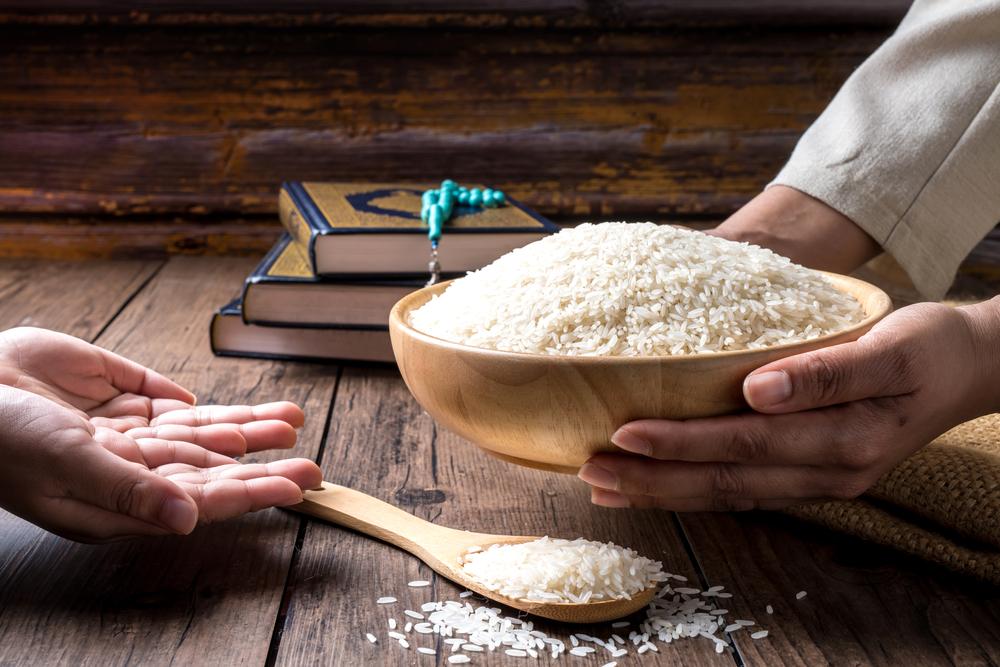
This is a special charity given during Ramadan, before the Eid al-Fitr prayer. It is an obligation for those who can support themselves and their dependents, and is traditionally offered in the form of staple food such as rice or dates. Its purpose is to ensure that everyone can celebrate Eid with dignity and joy.
What is Nisab?
Nisab is the minimum amount of wealth a Muslim must possess before Zakat becomes obligatory. Traditionally, it is set at 3 ounces of gold or 21 ounces of silver, or their equivalent in cash. If your wealth exceeds this threshold, you are eligible to pay Zakat for that year.
Who Receives Zakat and Who Must Pay It?
Zakat is designed to ensure that collective wealth reaches those who need it most. As the Qur’an states: “The prescribed alms are meant only for the poor, the needy, those employed to administer the funds, those whose hearts are reconciled to the faith, for freeing slaves and helping those in debt, for God’s cause, and for travellers in need.” (Quran 9:60)
It is mandatory for Muslim adults of sound mind who have owned the minimum amount of Zakatable wealth, known as Nisab, for at least one lunar year.
Exclusions from Zakat:
Not all possessions are subject to Zakat. Personal items that are essential for daily life are excluded, such as:
Benefits of Zakat
Beyond its financial aspect, Zakat carries profound spiritual and social benefits:
Zakat is not only a religious duty but also a powerful mechanism for building a more just and compassionate society.
How to Pay Zakat in Qatar:
Zakat can be paid through several trusted organizations in Qatar that support both local and global causes. The Ministry of Endowments and Islamic Affairs (Awqaf) oversees the official Zakat Fund, which provides transparent collection and distribution channels across the country.
In addition, well-known charity bodies offer dedicated Zakat services, including online calculators and secure payment platforms:
These platforms make it simple to calculate your Zakat obligation and ensure your contributions reach those most in need. Zakat applies only to surplus wealth and assets intended for savings or investment, ensuring that the obligation is fair and does not burden basic living needs.
Paying Zakat in Qatar is straightforward, with trusted institutions offering modern tools and transparent systems. By giving through these channels, your charity becomes part of a collective effort to uplift communities and spread compassion during Ramadan and beyond.
By Hannah Grace - February 19, 2026.jpg)
Qatar Secures Place Among the World's Top 10 Wealthiest Nations
.jpg)
Hamad International Airport Witnesses Record Increase in Passenger Traffic
Saudi Arabia: Any visa holder can now perform Umrah
What are Qatar's Labour Laws on Annual Leave?





.jpg)
.jpg)
.jpg)
.jpg)
.jpg)
.jpg)
.jpg)




.jpg)


.jpg)
.png)
.jpg)










Leave a comment