


 By Hannah Grace - February 04, 2026
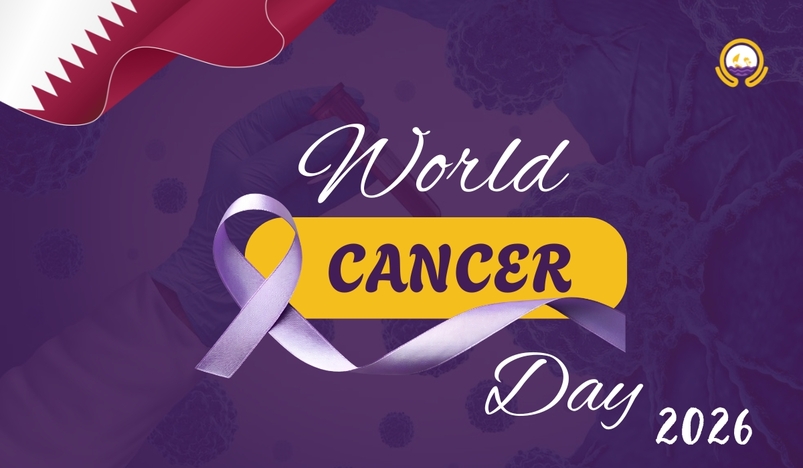
On February 4, Qatar joins the global community in raising awareness on cancer as part of the 2026 campaign under the theme “United by Unique.” This year’s initiative emphasizes the importance of people‑centered cancer care, reminding us that every patient’s journey is distinct and deserves tailored support both physically and mentally. As the world unites to strengthen action against cancer, Qatar continues to highlight its commitment through advanced healthcare services, awareness initiatives, and community solidarity.
Why World Cancer Day Matters Globally?
Observed annually under the leadership of the Union for International Cancer Control (UICC), World Cancer Day unites people, organizations, and governments in the fight against cancer. The day raises awareness about prevention, early detection, and equitable access to treatment, reminding us that cancer is not only a medical challenge but also a humanitarian one requiring worldwide solidarity. By shining a spotlight on education, research, and patient support, World Cancer Day inspires hope and strengthens the resolve to reduce the global burden of cancer.
Qatar Cancer Plan 2023–2026: Building Excellence for All
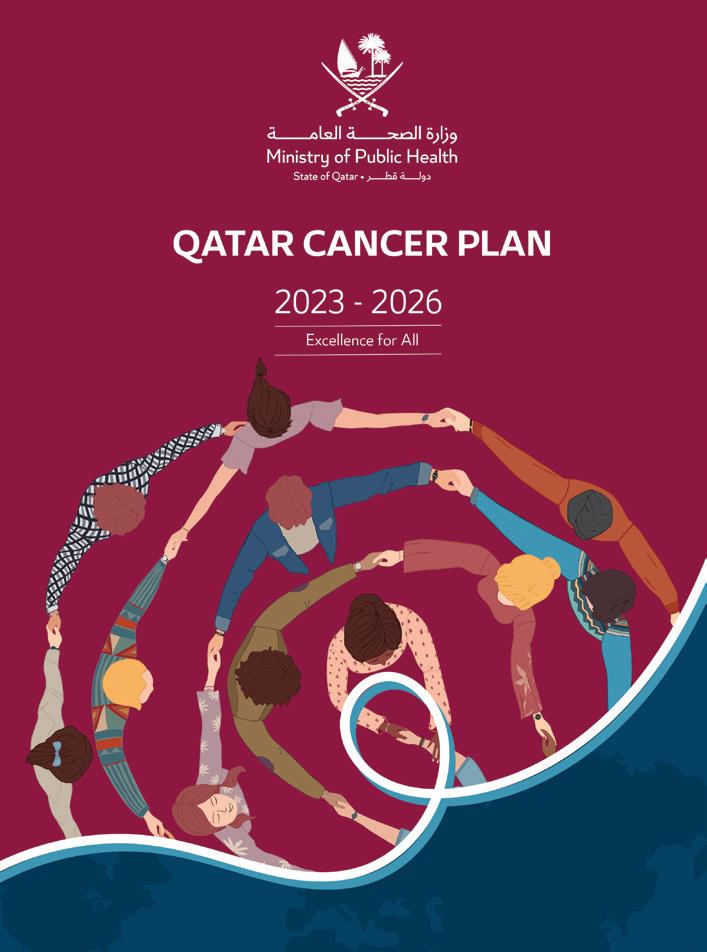
Over the past decade, Qatar has transformed its cancer services, laying strong foundations through the first National Cancer Strategy. The Qatar Cancer Plan 2023–2026 (QCP) marks the next phase of this journey, setting out innovative and visionary goals to further enhance prevention, early detection, treatment, and holistic support. Developed under the guidance of the National Cancer Governance Board (NCGB) and supported by the World Health Organization(WHO), the plan introduces new services, facilities, and models of care that place patients and families at the center.
With 87 deliverables organized under 23 strategic objectives across seven chapters, the QCP emphasizes healthy lifestyles, expanded screening programs, advanced treatment facilities, palliative home care, survivorship initiatives, and precision medicine. It also highlights the importance of childhood cancer care, research, and digital health innovation. By investing in cancer services, Qatar not only improves health outcomes but also demonstrates measurable social and economic benefits, with every QAR( Qatari Riyal) invested in interventions projected to yield a four to ten -fold return over a decade. At its core, the QCP embodies the ambition of “Excellence for All,” ensuring that cancer care in Qatar continues to evolve as among the best available globally.
A Decade of Progress: From Strategy to Framework
Qatar’s journey in cancer care reflects a decade of transformation. The National Cancer Strategy 2011–2016 was the first of its kind in the Gulf, laying a foundation built on international best practice, tailored care, and patient partnership. This was followed by the National Cancer Framework 2017–2022, which expanded specialty services, innovative treatments, and patient‑centered improvements across the full care pathway. Today, the Qatar Cancer Plan 2023–2026 represents the most ambitious phase yet, setting out deliverables across prevention, screening, holistic support, and precision medicine.
International Collaboration: WHO’s Role in Shaping Qatar’s Cancer Plan
Qatar’s Cancer Plan 2023–2026 was developed in close collaboration with the World Health Organization (WHO), ensuring alignment with international best practices while tailoring strategies to the country’s needs. Guided by the WHO Cancer Resolution (WHA 70.12) and the EMRO Cancer Framework for Action, the Ministry of Public Health worked with WHO experts to co‑design the plan using a stepwise methodology that included situation analysis, priority reviews, and SMART objectives. This partnership helped shape clear deliverables, such as expanding screening technologies, rolling out innovative services, and strengthening monitoring and evaluation. Importantly, the plan emphasizes seamless integration across the patient pathway from prevention and primary care to advanced treatment, survivorship, and palliative support so that individuals and families experience world‑class care at every stage of their journey.
Cancer in Qatar -What You Need to Know?
Globally, cancer remains one of the leading causes of death, with 19.3 million new cases diagnosed in 2020. Qatar broadly mirrors these global trends, though incidence rates are relatively lower than in some neighboring countries. However, with a young but aging population and lifestyle‑related risk factors, projections show cancer incidence could rise significantly in the next decade.
Rates among Qataris declined from 25.08 per 100,000 in 2000 to 11.28 in 2015, but have since increased to 17.97 in 2019, with modeling predicting up to 33.55 per 100,000 by 2030. The most common cancers diagnosed in Qatar in 2020 were breast (16.1%), colorectal (9%), thyroid (8.2%), leukemia (6.9%), and prostate (4.1%). Encouragingly, survival rates have improved: three‑year survival rose from 65.6% in 2018 to 89.3% in 2020, while five‑year survival increased from 59.7% in 2016 to 80.2% in 2020.
Risk factors such as obesity, high blood pressure, smoking, poor diet, and low physical activity contribute to nearly 40% of cancer cases, highlighting the importance of prevention. Public health campaigns led by the Ministry of Public Health, in collaboration with Hamad Medical Corporation (HMC), Primary Health Care Corporation (PHCC), Sidra Medicine, and the Qatar Cancer Society (QCS), continue to raise awareness, challenge misconceptions, and promote healthier lifestyles. Free screening programs at PHCC centers ensure early detection, reflecting Qatar’s commitment to reducing cancer’s impact and empowering individuals with the knowledge and tools to protect their health.
Early Detection: Saving Lives Through Screening
Early detection is one of the most powerful tools in improving cancer survival, with outcomes varying dramatically depending on the stage at diagnosis. In Qatar, national population‑based screening programs for breast cancer (women aged 45–69) and bowel cancer (men and women aged 50–74) were launched in 2016, operating across four Primary Health Care Centers (PHCCs) and supported by a mobile screening service. Opportunistic cervical cancer screening is also available for women aged 21–69, with intervals tailored by age group.
These services are complemented by a rapid referral pathway at PHCCs, ensuring suspected cases are assessed within 48 hours at Hamad Medical Corporation. Over the past decade, screening programs have matured through IT system upgrades, expanded facilities, postal delivery pilots, and quality assurance audits supported by international experts, including WHO and IARC. Together, these initiatives aim to reduce late‑stage diagnoses, improve survival rates, and provide accessible, patient‑friendly pathways for early detection across Qatar.
Source: Qatar News Agency (QNA)
Qatar’s Commitment Under “United by Unique”
As the world marks World Cancer Day 2026, Qatar demonstrates how global solidarity translates into local action. Through visionary planning, international collaboration, and a strong focus on prevention and early detection, the country continues to build a healthcare system that places patients and families at the center. The Qatar Cancer Plan 2023–2026 embodies the theme “United by Unique” by recognizing each patient’s journey as distinct, while ensuring excellence and equity in care for all.


_20-08-2026_05-08.jpg)
_27-51-2026_11-51.png)
_27-43-2026_12-43.png)



.jpg)
.jpg)




.jpg)


.jpg)
.png)
.jpg)












Leave a comment