


 By neha - July 20, 2026
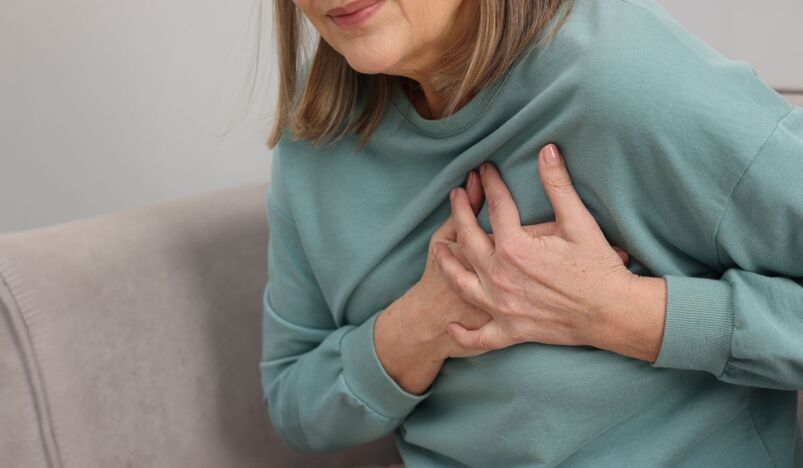
A heart attack strikes roughly every 40 seconds somewhere in America. Recognizing the signs early can mean the difference between recovery and permanent damage. This guide breaks down what actually happens during a heart attack.
What Happens During A Heart Attack
A heart attack occurs when blood flow to your heart suddenly stops. Without oxygen, heart muscle tissue begins to die within minutes. Doctors call this event a myocardial infarction.
This term breaks down simply once you understand the roots. Myo refers to muscle, cardial refers to the heart, and infarction means tissue death. That tissue damage can affect your heart permanently if treatment comes too late.
Common Heart Attack Symptoms To Watch For
Chest pain remains the most recognized heart attack symptom. It often feels like pressure, tightness, or a squeezing sensation. This discomfort can spread into your arm, jaw, throat, or back.
Other symptoms include sudden sweating, nausea, dizziness, and unexplained weakness. Some people also notice a fast or irregular heartbeat during an attack. Shortness of breath frequently appears alongside these other warning signs.
Symptoms Often Missed In Women
Women and people assigned female at birth often experience different symptoms. Unusual fatigue and shortness of breath appear more commonly in these cases. Nausea, dizziness, and general stomach discomfort can also signal trouble.
Discomfort in the neck, shoulder, or upper back is another common pattern. Trouble sleeping sometimes appears in the days leading up to an attack. These subtler symptoms often get mistaken for less serious conditions.
Silent Heart Attacks Are More Common Than You Think
Some heart attacks happen without any noticeable symptoms at all. Doctors call these silent myocardial infarctions. People with diabetes face a higher risk of experiencing one.
A silent heart attack can still cause serious lasting damage. This makes regular checkups especially important for people at higher risk.
What Causes A Heart Attack
Your heart depends on a constant supply of oxygen rich blood. Coronary arteries deliver that blood directly to your heart muscle. When these arteries narrow or become blocked, a heart attack can follow.
Plaque buildup inside your arteries is the most common underlying cause. This plaque contains fat, calcium, and inflammatory cells that harden over time. When plaque ruptures, a blood clot can form and block blood flow completely.
Less common causes include coronary artery spasms and inherited artery abnormalities. A rare condition called spontaneous coronary artery dissection can also trigger an attack. This condition appears more often in younger women and during pregnancy.
Key Heart Attack Risk Factors
Several factors can raise your chances of having a heart attack. Age plays a significant role, with risk rising after 45 for men. For women, risk typically increases around age 50 or during menopause.
Smoking, poor diet, and lack of exercise all raise your risk significantly. High blood pressure, diabetes, and obesity add further strain on your heart. Family history also matters, especially if a close relative had an early heart attack.
Chronic stress deserves attention too. It raises blood pressure and blood sugar while lowering good cholesterol. Over time, this combination makes your arteries more vulnerable to blockages.
What To Do If You Suspect A Heart Attack
Call emergency services immediately at the very first sign of symptoms. Do not wait to see if the discomfort passes on its own. Treatment within the first one to two hours offers the best chance of recovery.
While waiting for help, chewing an aspirin can slow dangerous blood clotting. This simple step has been shown to reduce heart attack related deaths significantly.
Helping Someone Else During A Heart Attack
Call emergency services right away if someone shows signs of a heart attack. Begin CPR immediately if the person becomes unresponsive and stops breathing normally. CPR will not restart the heart, but it keeps blood moving until help arrives.
An automated external defibrillator can also help restore a normal heart rhythm. These devices are increasingly common in public spaces like offices and airports. Following the device's voice prompts makes it usable even without formal training.
How Doctors Diagnose A Heart Attack
Doctors use several tools to confirm a heart attack diagnosis quickly. An electrocardiogram tracks your heart's electrical activity and detects abnormal patterns. Blood tests measure specific enzymes and proteins released during heart muscle damage.
Imaging tests like echocardiograms and CT scans reveal how well your heart pumps. In more urgent cases, doctors may perform cardiac catheterization to view blocked arteries directly. This procedure often leads straight into treatment during the same visit.
Treatment Options After A Heart Attack
Treatment usually begins the moment paramedics arrive on the scene. Doctors give medications that stop clotting and reduce further strain on your heart. Common drugs include aspirin, antiplatelet medications, and clot dissolving therapies.
Many patients also need a procedure to physically reopen blocked arteries. Balloon angioplasty and stent placement are common options used today. In more serious cases, doctors may recommend bypass surgery to reroute blood flow entirely.
After the emergency phase passes, most patients spend time in a coronary care unit. Ongoing medications help the heart heal and lower the risk of another attack.
Practical Ways To Lower Your Risk
Quitting smoking remains one of the most powerful steps you can take. Maintaining a healthy weight also reduces strain on your entire cardiovascular system. Regular moderate exercise, done most days of the week, offers real long term protection.
Eating more fruits, vegetables, whole grains, and lean proteins supports heart health directly. Cutting back on processed foods, added sugar, and saturated fat helps just as much. Managing stress through support systems or professional guidance also plays a real role.
Routine screenings for cholesterol, blood pressure, and blood sugar catch problems early. Catching these issues early often prevents a heart attack before it happens.
Frequently Asked Questions
Q: What are the early warning signs of a heart attack?
Early signs often include chest discomfort, lightheadedness, and pain in the arms or jaw. Nausea and shortness of breath frequently appear alongside these symptoms.
Q: What are atypical signs of a heart attack?
Some people experience cold sweats, general body discomfort, or unusual fatigue instead of chest pain. These signs are easy to mistake for less serious conditions.
Q: What does a minor heart attack feel like?
A minor heart attack usually causes limited damage from a partial artery blockage. Recovery outlooks tend to be better compared to more severe heart attacks.
Q: How long do you have during a heart attack?
Every minute counts once symptoms begin, since damage worsens quickly without treatment. Calling emergency services immediately gives you the best chance of a full recovery.

_20-08-2026_05-08.jpg)
_27-51-2026_11-51.png)
_27-43-2026_12-43.png)



.jpg)
.jpg)




.jpg)


.jpg)
.png)
.jpg)












Leave a comment