


 By neha - June 23, 2026
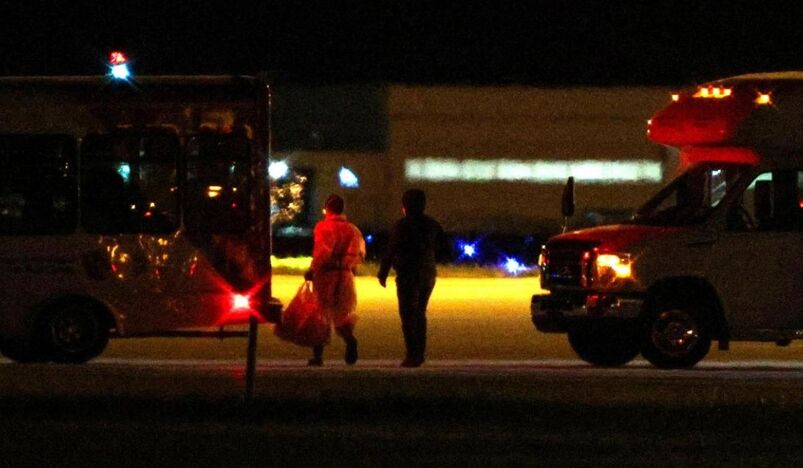
The last eight American passengers held in a Nebraska quarantine unit have finally gone home. They had spent 42 days under medical observation after a hantavirus outbreak struck their cruise ship. The outbreak killed three people during the voyage.
The U.S. Department of Health and Human Services confirmed the quarantine had ended on Monday. HHS spokesperson Emily Hilliard said federal, state, and local partners worked closely together to manage the response and bring it to a close.
How the outbreak unfolded
The passengers were traveling aboard the MV Hondius, a Dutch cruise ship sailing through the South Atlantic. Health officials believe a Dutch couple aboard the ship were the first people exposed to the virus, likely during a visit to South America.
Hantaviruses typically spread when people breathe in contaminated dust from rodent droppings. The specific strain behind this outbreak, called Andes virus, can spread between people in rare cases. In total, 13 cases were confirmed among everyone who had been on the ship, including the three deaths.
More than 120 people were evacuated from the ship after it docked in Spain's Canary Islands last month. Most of those evacuated were not American citizens. Around 25 Americans had been aboard at various points, including roughly seven who left the ship in April and 18 who stayed on through the outbreak. Sixteen Americans were flown to the Nebraska quarantine unit on May 11, with two more joining them days later.
Six weeks inside the National Quarantine Unit
The Americans were placed at the National Quarantine Unit at the University of Nebraska Medical Center in Omaha. Officials set the monitoring period at 42 days because hantavirus symptoms have taken that long to appear in past outbreaks. None of the passengers ended up developing the illness.
Ten passengers were allowed to leave the unit earlier, under agreements to be monitored closely once back in their home states. The remaining eight stayed the full six weeks. Seven of them did so voluntarily. One passenger, Angela Perryman, was ordered to remain under a more controversial directive.
Despite the circumstances, the stay wasn't without comfort. Local restaurants and food trucks in Omaha sent the group meals almost every day. Nurses occasionally picked up Starbucks orders for passengers craving a familiar drink. Each room came equipped like a hotel room, with a desk, television, internet access, and exercise equipment.
Mixed emotions on the way out
Passenger Jake Rosmarin, a travel blogger, documented his exit on social media. He posted a video on Monday morning showing himself wheeling suitcases out of his room and switching off the lights behind him. In an earlier video, he thanked the Omaha community for its kindness and credited supporters for helping him get through the experience.
Angela Perryman's account carried a different tone. She told reporters she was forced to stay after officials in Florida, her home state, declined a federal request to provide round-the-clock monitoring if she returned. She said travel arrangements for the group had already been in motion weeks earlier, before her case became complicated. "Nobody actually expected anybody to get sick at that point," she said.
Her extended stay stemmed from a quarantine order that overrode a recommendation from a federal health expert, according to earlier reporting on her case.
What happens next
The World Health Organization had not responded as of Monday to questions about the status of others connected to the outbreak who were quarantined in different countries. At least 30 additional passengers had already left the MV Hondius before health officials documented the outbreak, separate from the more than 120 evacuated later in protective suits.
For now, the Nebraska chapter of the outbreak response has closed. The passengers are back in their home states, free of both the virus and the unit that housed them for six weeks.

_20-08-2026_05-08.jpg)
_27-51-2026_11-51.png)
_27-43-2026_12-43.png)



.jpg)
.jpg)




.jpg)


.jpg)
.png)
.jpg)












Leave a comment