


 By Roysten Xavier - July 12, 2026
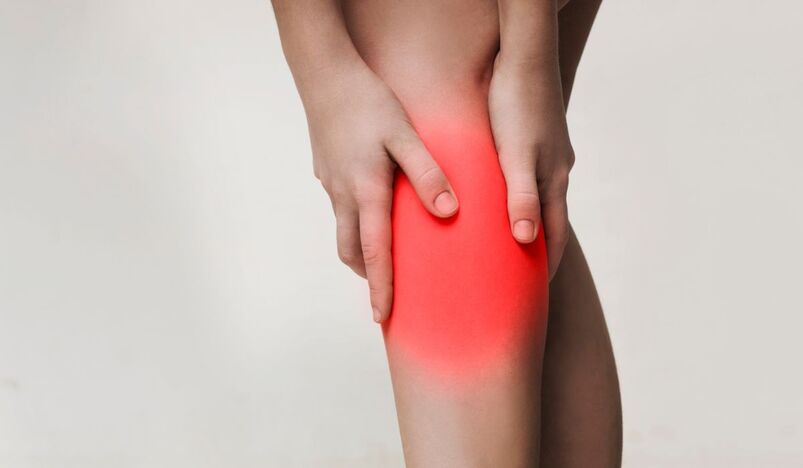
Tight shoulders. A cranky lower back. Hips that feel like they belong to someone twice your age. We’ve all had those days. In 2023, 24.3% of adults had chronic pain, and 8.5% had high-impact chronic pain that frequently limited life or work in the past three months. If you want to relieve muscle tension at home, the good news is you don’t need a complicated routine. A few smart, repeatable habits can help your body feel less guarded and more comfortable.
Simple Lifestyle Changes for Muscle Tension Relief at Home
Muscle tension often starts quietly. Your laptop sits too low. Your shoulders creep toward your ears. You stay in one position “just five more minutes,” and suddenly an hour is gone. Practical muscle tension relief tips begin with your daily setup. Some people also combine better posture with recovery tools like the best full-body massage chair, especially for deeper relaxation after long workdays.
Fixing Your Workstation to Prevent Muscle Tightness
Keep your screen close to eye level so your neck isn’t constantly dipping forward. Let your elbows rest near your sides, and keep your feet flat on the floor. If your chair doesn’t support your lower back, use a small pillow or rolled towel. Simple? Yes. Surprisingly effective? Also yes.
Regular Movement and Stretch Breaks
Set a timer if you need to. Every hour, stand up and move your neck, shoulders, wrists, hips, and calves. Try shoulder rolls, a gentle chest opener, slow neck turns, and a hamstring stretch. You’re not training for the Olympics here. You’re reminding your muscles they don’t have to stay locked in one position.
Small changes like these help prevent tightness from building. But when soreness has already moved in and made itself at home, you need relief that works quickly.
Home Remedies for Muscle Tension That Actually Work
The best home remedies for muscle tension depend on what kind of discomfort you’re feeling. A dull, stiff ache is different from post-workout tenderness. Listen to your body first, then pick the method that fits.
Heat Therapy for Deep Relaxation
Heat is your friend when muscles feel tight, stiff, or “stuck.” A warm shower, heating pad, or homemade rice pack can encourage blood flow and make gentle stretching feel easier. Think of it as convincing your muscles to unclench instead of forcing them.
Cold Applications for Soreness
Cold usually works better when an area feels irritated, swollen, or tender after activity. Wrap an ice pack in a towel and apply it in short sessions. Don’t place ice directly on your skin, and don’t overdo it. More is not always better.
Epsom Salt Baths and DIY Massage Blends
An Epsom salt bath can be wonderfully calming after a long day. Add slow breathing, and it becomes a mini reset. For self-massage, diluted lavender, peppermint, or eucalyptus oil can make light pressure feel more soothing. Keep it gentle, especially if the area is already sensitive.
Heat, cold, baths, and simple massage blends can all help. The trick is matching the remedy to the tension instead of throwing everything at it at once.
Self-Massage Tools That Help Loosen Tight Areas
When a muscle feels knotted, steady pressure can help it relax. The goal is to reduce muscle tightness without medication while staying comfortable and in control. You should feel relief, not regret.
Trigger Point Release and Foam Rolling
Find a tender spot and hold light pressure for a few slow breaths. Then move on. Avoid grinding into pain. A “good hurt” is fine; sharp pain is a stop sign. Foam rollers work well for larger areas like calves, thighs, and upper back muscles.
Massage Guns and Chair-Based Relief
Massage guns can be useful for quads, glutes, and calves, especially after exercise. Avoid using them on bones, joints, bruises, or the front of the neck. For hands-free recovery, the best full body massage chair can offer body scanning, soothing heat, zero gravity positioning, and adjustable intensity, so you can relax while targeting sore areas.
|
Tool |
Best For |
Use With Care When |
|
Foam roller |
Large tight muscles |
Pain feels sharp |
|
Massage gun |
Post-workout soreness |
Area is bruised |
|
Massage chair |
Full-body daily relief |
You have medical restrictions |
Tools like foam rollers, massage guns, and features found in the best full-body massage chair can help unlock tight spots. Still, muscle tension is not always just physical. Stress plays a bigger role than most people realize.
Stress Reduction Practices to Relax Muscles Naturally
Stress keeps your body braced, even when nothing dangerous is happening. Your jaw tightens. Your shoulders lift. Your breathing gets shallow. If you’re learning how to relax muscles naturally, start with your nervous system.
Guided Breathing and Mindfulness
Try box breathing: inhale, hold, exhale, and pause for equal counts. It feels almost too simple, but it can calm your body quickly. The U.S. wellness sector is valued at $480 billion, and 82% of U.S. consumers now prioritize wellness, which says a lot about how many people are taking daily recovery seriously.
Yoga Poses and Sound Therapy
A child's pose, legs-up-the-wall, cat-cow, and gentle seated twists can help release built-up tension. Soft music, rain sounds, or slow ambient tracks may also help your body shift out of “clench mode.” No incense required, unless that’s your thing.
Breathing, mindfulness, yoga, and sound can lower stress in minutes. Once your body feels safer, it often lets go more easily.
Nutrition and Hydration Tips for Ongoing Relief
Muscles need water, minerals, and steady fuel to function well. If you’re constantly stiff or cramping, your daily nutrition may be part of the story.
Foods That Support Relaxed Muscles
Magnesium-rich foods like pumpkin seeds, spinach, almonds, and black beans are useful choices. Potassium from bananas, potatoes, and avocados also supports normal muscle function. You don’t need a perfect diet. Just give your body the basics often enough.
Hydration and Supplement Basics
Aim for urine that stays pale yellow most of the day. If cramps keep returning, speak with a healthcare professional about magnesium, vitamin D, or electrolytes before starting supplements. Guessing can get expensive fast.
Good hydration and muscle-friendly foods won’t fix everything overnight, but they make tightness less likely to keep coming back.
Creating a Personalized Muscle Tension Relief Plan at Home
The best routine is the one you’ll actually do. A realistic mix of movement, heat, massage, breathing, hydration, and rest beats a dramatic plan you abandon by Wednesday.
Tracking Your Muscle Health
Use a note on your phone. Write down where you feel tight, what helped, and what made it worse. Patterns show up quickly. Maybe your neck flares after laptop days. Maybe your calves complain after long walks. Now you have clues.
When to Rotate Strategies
Use heat for stiffness, cold for soreness, stretching for posture-related tightness, or the best full-body massage chair when you need to decompress after stressful days. If pain is sudden, severe, spreading, or linked to numbness, weakness, fever, swelling, or injury, call a healthcare professional.
With the right plan, relief becomes easier to repeat. Not perfect. Just better, steadier, and more in your control.
Quick Answers for Tight Muscles
What vitamins are good for muscle weakness?
Protein, creatine, branched-chain amino acids, omega-3 fatty acids, vitamin D, electrolytes, and magnesium may support muscle recovery. Many of these come from food, so talk with a healthcare professional before adding supplements.
Is heat or cold better after exercise?
Cold usually helps when muscles feel sore, swollen, or irritated after activity. Heat is better for general stiffness or tightness later. If you’re unsure, choose what feels soothing and avoid extreme temperatures.
How often should you use a full body massage chair?
Many people do well with short daily sessions or several sessions per week. Keep the intensity comfortable, avoid sleeping in awkward positions, and check with a clinician if you’re pregnant, injured, or managing a medical condition. Start small, stay consistent, and give your body a fair chance to feel better.



_20-08-2026_05-08.jpg)
_27-51-2026_11-51.png)
_27-43-2026_12-43.png)


.jpg)
.jpg)




.jpg)


.jpg)
.png)
.jpg)











Leave a comment