


 By Guest - August 02, 2026
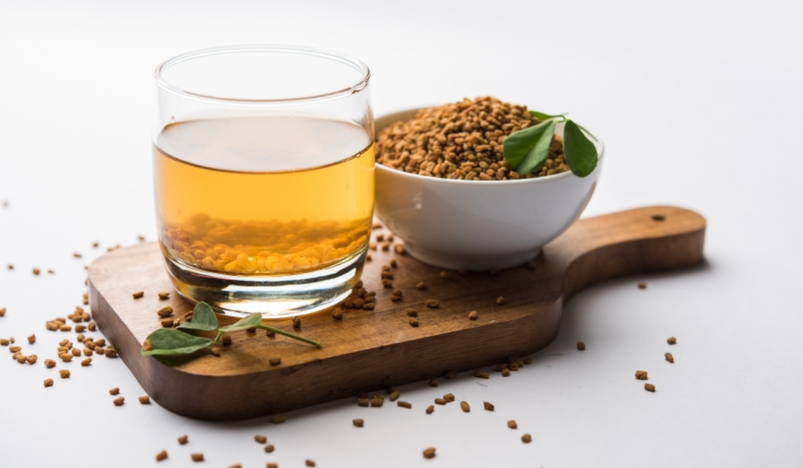
Fenugreek , methi to many South Asian households , has been used in hair and scalp care for generations across Ayurvedic and Middle Eastern traditions. Soak the small golden seeds in water and they swell, releasing a slightly gel-like, nutrient-rich liquid. That soaking water, along with the softened seeds, is the base for a range of easy at-home treatments. It won't work miracles overnight, but as a gentle, low-cost addition to a routine, many people find it a keeper.
Why fenugreek is prized for hair
The appeal comes down to what the seeds contain. Fenugreek is a good source of plant protein and iron , both associated with hair strength , along with lecithin, which helps condition and hydrate, and plant compounds such as flavonoids and saponins that are traditionally credited with soothing the scalp. In practice, fans reach for it to help strengthen the hair shaft, calm an itchy or flaky scalp, tame frizz and bring back shine. It's worth being realistic: much of the evidence is traditional and anecdotal rather than from large clinical trials, so treat it as a supportive ritual, not a cure.
How to make fenugreek water
There are two easy methods. The overnight soak is gentlest and gives that characteristic slippery, conditioning water; the boiled version is faster and more concentrated.
Method 1 - Overnight soak
Step 1 - Measure. Add 2–3 tablespoons of fenugreek seeds to 1–2 cups of water.
Step 2 - Soak. Leave covered overnight, roughly 8–12 hours, until the water turns slightly thick and gel-like.
Step 3 - Strain. Pour off the water for rinsing or spraying. Don't bin the seeds — blend them into a smooth paste for a mask.
Method 2 - Boiled brew
Step 1 - Simmer. Add 2 tablespoons of seeds to 2 cups of water and simmer gently for 10–15 minutes.
Step 2 - Cool and strain. Let it cool completely to room temperature, then strain. Never apply it warm.
Four ways to use it
As a final rinse: after shampooing, pour the fenugreek water slowly over your scalp and lengths, massage in for a minute or two, leave for 5–10 minutes, then rinse with cool water — or leave it in for a lighter conditioning effect.
As a scalp spray: decant into a clean spray bottle, spritz onto the roots two or three times a week and massage gently to support circulation to the scalp.
As a hair mask: apply the blended seed paste to scalp and lengths, leave for about 30 minutes, then wash out. Mixing it with a little aloe vera gel makes it easier to spread and rinse.\
As a leave-in boost: a light misting on mid-lengths and ends before styling can help smooth frizz on humid days.
Good to know. Store any leftover water in the fridge and use within 2–3 days; fresh batches work best. Fenugreek has a strong, maple-like smell that can linger — a light conditioner or a drop of a favourite essential oil helps. Consistency matters more than intensity: use it two to three times a week and give it a few weeks before judging results.
A few precautions
Patch test first , dab a little diluted fenugreek water on your inner arm and wait 24 hours, especially if you have sensitive skin or known allergies, as fenugreek is a legume and can occasionally cross-react in people allergic to peanuts or chickpeas. Rinse thoroughly if you have very light or colour-treated hair to avoid any residue. And remember that natural rinses support healthy hair but don't replace medical care: sudden, patchy or persistent hair loss, or a scalp condition that won't settle, is worth taking to a doctor or dermatologist.
Stronger, shinier hair rarely comes from a single bottle - it comes from small, steady habits. A twice-weekly fenugreek rinse is one of the easiest to fold in: a spoonful of seeds, a jug of water, and a little patience.
This article is for general information and is not medical advice.

_20-08-2026_05-08.jpg)
_27-51-2026_11-51.png)
_27-43-2026_12-43.png)



.jpg)
.jpg)




.jpg)


.jpg)
.png)
.jpg)













Leave a comment