


 By Hannah Grace - March 26, 2026
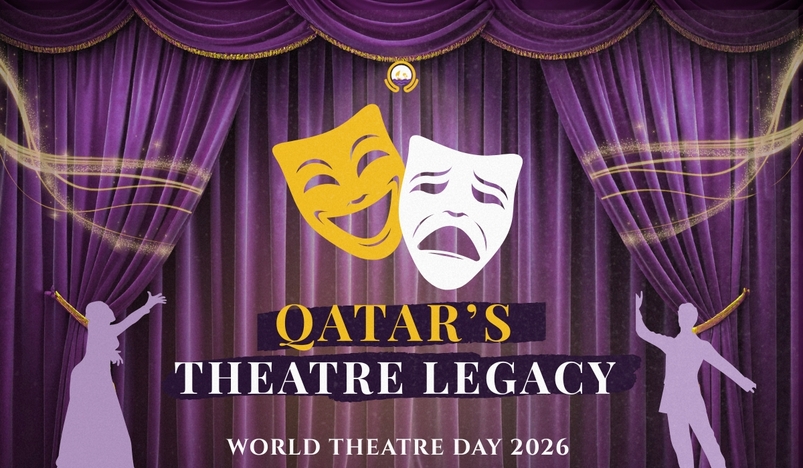
On March 27, the world marks World Theatre Day, a celebration of performance as a universal language that unites cultures, sparks dialogue, and inspires creativity. While global stages often take centre stage, Qatar has steadily built its own presence in this tradition. With a theatre scene that blends heritage and innovation, the nation offers stories that resonate locally and beyond. From the grandeur of the Qatar National Theatre to the dynamic programs at Katara Cultural Village, Qatar’s growing contributions reflect a deep commitment to storytelling, cultural exchange, and artistic excellence.
Foundations of Qatar’s Theatre
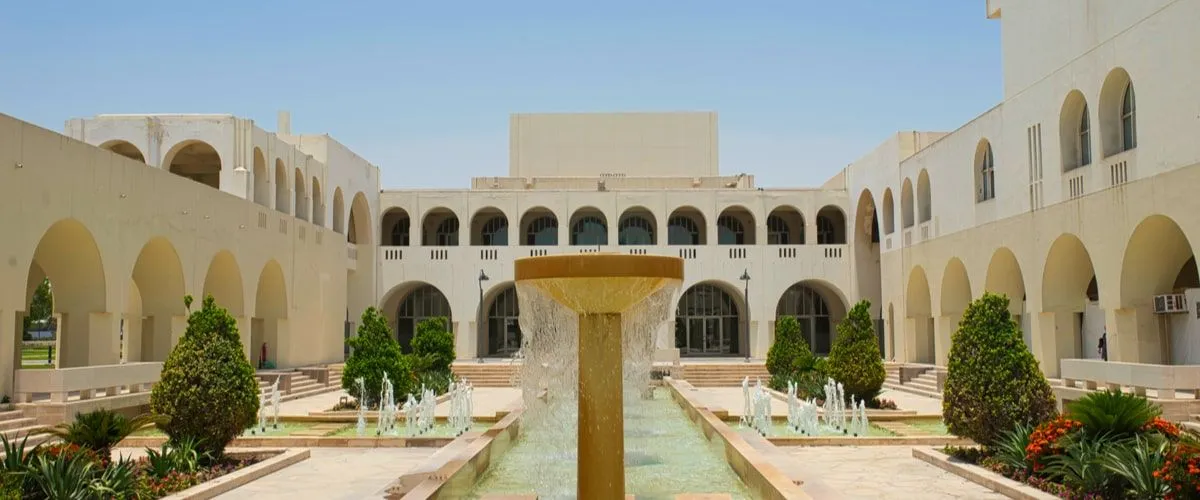
Qatar’s theatre journey spans nearly five decades, making it one of the first Gulf nations to embrace performance as a cultural cornerstone. Early playwrights faced challenges in building audiences and resources, yet their persistence led to private theatrical groups that kept the art alive. By the 1980s and 1990s, theatre flourished, with productions reflecting both heritage and contemporary themes.
Today, the Qatar National Theatre and Katara Cultural Village carry this legacy forward. Katara’s investment in world-class venues, from opera houses to outdoor stages and the launch of dedicated theatre activities in 2017 have sustained a vibrant, year-round cultural movement. Strengthened by partnerships across the Arab and Gulf region, these initiatives have revitalised Qatar’s theatrical landscape. By 2022, Katara alone had hosted 82 live performances, underscoring theatre’s enduring role as a powerful medium for cultural exchange and global dialogue. Annual events like the Doha Theatre Festival continue to spotlight emerging voices and strengthen Qatar’s role in the regional theatre movement.
Notable Drama Works in Qatar

Over the years, Qatar’s theatre has produced powerful plays that reflect heritage, identity, and social critique. Al-Bushiya explored folklore and pearl-diving traditions, while Majarih tackled class distinctions through a romantic narrative. Abdulrahman Al-Mannai’s Night, Oh Night delved into themes of oppression and justice, and Ghanem Al-Sulaiti’s The Fighters examined conflict and conscience with satirical depth. Together, these works showcase how Qatari theatre has long used drama to mirror society and spark dialogue.
On Stage This Year: Qatar’s New Drama

Doha Players are set to stage Nine by Jane Shepard at THIS Theatre, Mesaimeer, with evening performances on March 31, April 2, and April 3, 2026. This intense production follows two women held against their will, exploring survival through language, shifting power, and human connection. Harrowing yet tender, Nine promises to be one of the year’s standout dramas, offering audiences a close‑up, thought‑provoking experience.
Tickets are available through Q-TICKETS
From heritage dramas to annual festivals and new productions, Qatar’s theatre legacy reflects resilience, creativity, and cultural pride. As World Theatre Day is marked in 2026, Qatar’s contributions remind us that theatre is more than performance; it is a living dialogue that connects communities and celebrates culture.

_20-08-2026_05-08.jpg)
_27-51-2026_11-51.png)
_27-43-2026_12-43.png)



.jpg)
.jpg)

.jpg)


.jpg)
.png)
.jpg)








Leave a comment