


 By neha - July 14, 2026
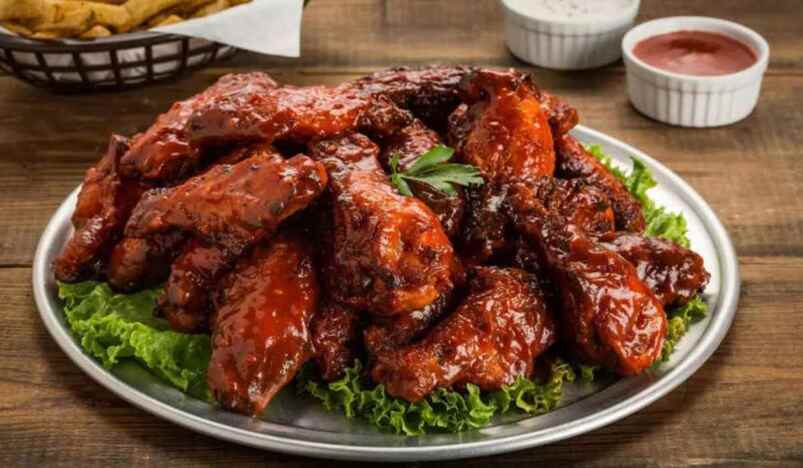
Chicken remains one of the most popular protein choices worldwide. Not every part of the bird deserves a place on your plate.
Some parts carry high fat levels or hidden bacteria. Others quietly store toxins absorbed during the bird's life. Here are 10 chicken parts experts recommend skipping.
Chicken Skin
Crispy chicken skin tastes great but offers little nutrition. It consists mostly of fat and raises cholesterol levels quickly. The skin also absorbs hormones and chemical residue during farming.
Removing the skin before eating cuts fat intake significantly. Experts recommend this step for anyone watching heart health closely.
Chicken Neck
Chicken necks often go into soups and homemade stock. They can also become a breeding ground for bacteria though. Boiling alone does not always kill every harmful pathogen.
Proper cleaning and long cooking times matter here. Skipping this step raises the risk of foodborne illness.
Wing Tips
Wing tips contain mostly skin and bone with little meat. They add flavor to dishes but offer few real nutrients. These tips can also carry excess fat and bacteria.
Poor handling makes wing tips even riskier to consume. Many chefs discard them entirely for this exact reason.
Bone Marrow
Chicken bones make nutrient rich broths when cooked properly. The marrow inside can still contain traces of blood though. That blood does not always cook through completely.
Undercooked marrow creates a small but real contamination risk. Long, thorough boiling helps reduce this danger significantly.
Chicken Lungs
Chicken lungs sit deep within the bird's rib cage. Thorough cleaning rarely removes all bacteria from this tissue. Some bacteria here can even survive high cooking temperatures.
Lung tissue also traps environmental residue during processing. Most food safety experts recommend avoiding this part entirely.
Gizzard Lining
The gizzard itself is a muscular, edible organ. Its inner yellow lining tells a different story though. This membrane is extremely tough and hard to digest.
Eating the lining can cause real digestive discomfort. Removing it before cooking keeps the gizzard safer to eat.
Lymph Nodes
Lymph nodes act as filters within a chicken's immune system. They trap toxins, bacteria, and other foreign particles constantly. This makes them a poor choice for regular eating.
These nodes are small and easy to overlook during prep. Careful trimming helps remove them from cuts of meat.
Chicken Kidneys
Kidneys filter waste throughout a chicken's entire life. That function means they can hold onto harmful toxins. Regular consumption may expose you to these substances repeatedly.
Occasional eating poses less risk than frequent consumption. Moderation matters most if you choose to eat this part.
Chicken Tail
The chicken tail is small but surprisingly high in fat. Eating it often can raise cholesterol over time. It offers little protein compared to its fat content.
Many cooks trim the tail away before cooking. This simple step reduces unnecessary fat intake.
Chicken Head
Chicken heads sometimes end up in soups or stocks. They can accumulate pesticides and pollutants from the bird's feed. This makes them one of the riskier parts overall.
Environmental exposure builds up in this area over time. Most experts recommend avoiding the head completely.
Why Proper Cooking Still Matters Most
Any chicken part becomes dangerous if cooked improperly. Chicken should always reach full doneness before eating. Pink meat or raw juices signal it needs more time.
Spoiled chicken poses one of the biggest food safety risks. Eating it can cause serious food poisoning quickly. Always store, handle, and cook chicken with care.
Frequently Asked Questions
Q: Is chicken skin bad for your health?
Chicken skin is high in fat and can raise cholesterol if eaten often.
Q: Why should you avoid chicken lungs?
Chicken lungs can harbor bacteria that survive even high cooking temperatures.
Q: Are chicken necks safe to eat?
They can be safe if cleaned well and boiled for a long enough time.
Q: Why are chicken lymph nodes risky?
They filter toxins and bacteria, making them unsafe for regular consumption.
Q: What is the biggest chicken food safety risk overall?
Undercooked or spoiled chicken poses the greatest risk of serious food poisoning.

_20-08-2026_05-08.jpg)
_27-51-2026_11-51.png)
_27-43-2026_12-43.png)


.jpg)
.jpg)




.jpg)


.jpg)
.png)
.jpg)











Leave a comment